28 October 2026
Motion Graphics Pricing: What Factors Shape Animation Budgets?
Learn what shapes motion graphics pricing and video animation budgets. A realistic look at complexity, style, scope, and production value.
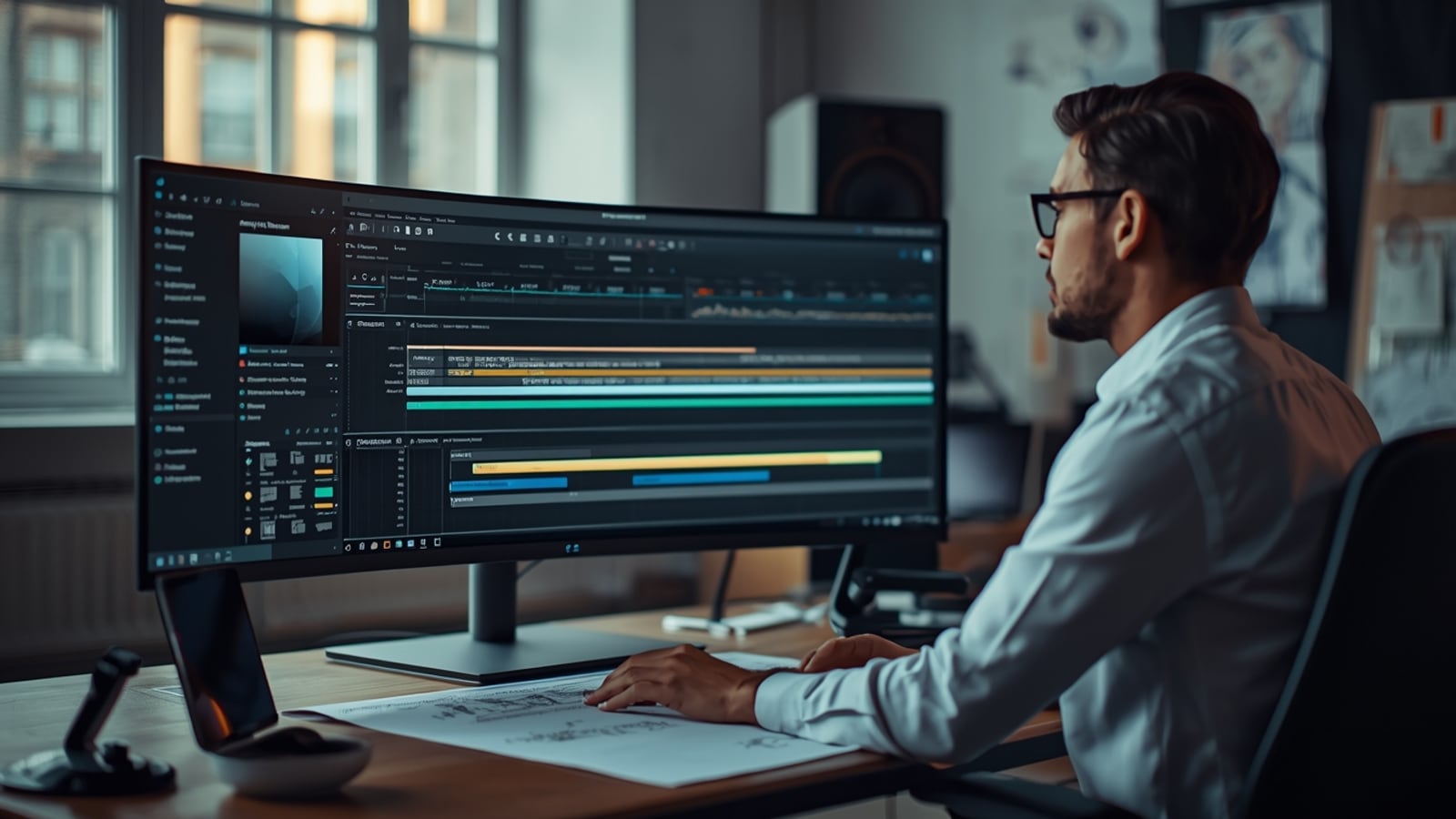
Have you ever wondered why quotes for a video production or motion graphics project vary so wildly? Running my studio in Istanbul and collaborating with global brands, I’ve seen firsthand how critical it is to talk budget transparency from day one. Sometimes, a sleek 15-second logo animation carries a budget comparable to a complex, multi-minute 3D product showcase. The secret lies in understanding that animation pricing is never just a flat rate per second. In this article, we'll break down the real factors shaping animation costs from an art director's perspective, look at hidden budget traps, and share what to expect when evaluating proposals.
The Triangle of Duration, Complexity, and Design Style
At the core of any motion design budget sit three fundamental elements: project duration, visual complexity, and the chosen design style. The assumption that longer duration automatically means a higher price tag is a common misconception. A high-end, 10-second 3D character sequence can easily cost much more than a 60-second flat vector explainer video.
Design styles typically break down into categories like these:
- Minimalist 2D Vector Design: Clean lines, simple shapes, and smooth vector transitions generally offer the most accessible budget entry point.
- Character Animation and Rigging: Introducing custom characters means dealing with skeletal rigging, facial expressions, and hand-animated cycles, which significantly increases man-hour costs.
- 3D and Mixed Media Projects: Cinematic lighting, texturing, physical simulations (cloth, fluid), and heavy render times push budgets upward. For instance, projects requiring multi-format integration often demand advanced pipelines, much like the mixed workflows you can see in my ACUNMEDYA Showreel 2023 project.
Aligning on the aesthetic direction before touching the timeline is the first step toward avoiding unexpected costs. As the level of detail in character assets increases, every single frame directly impacts the final budget.

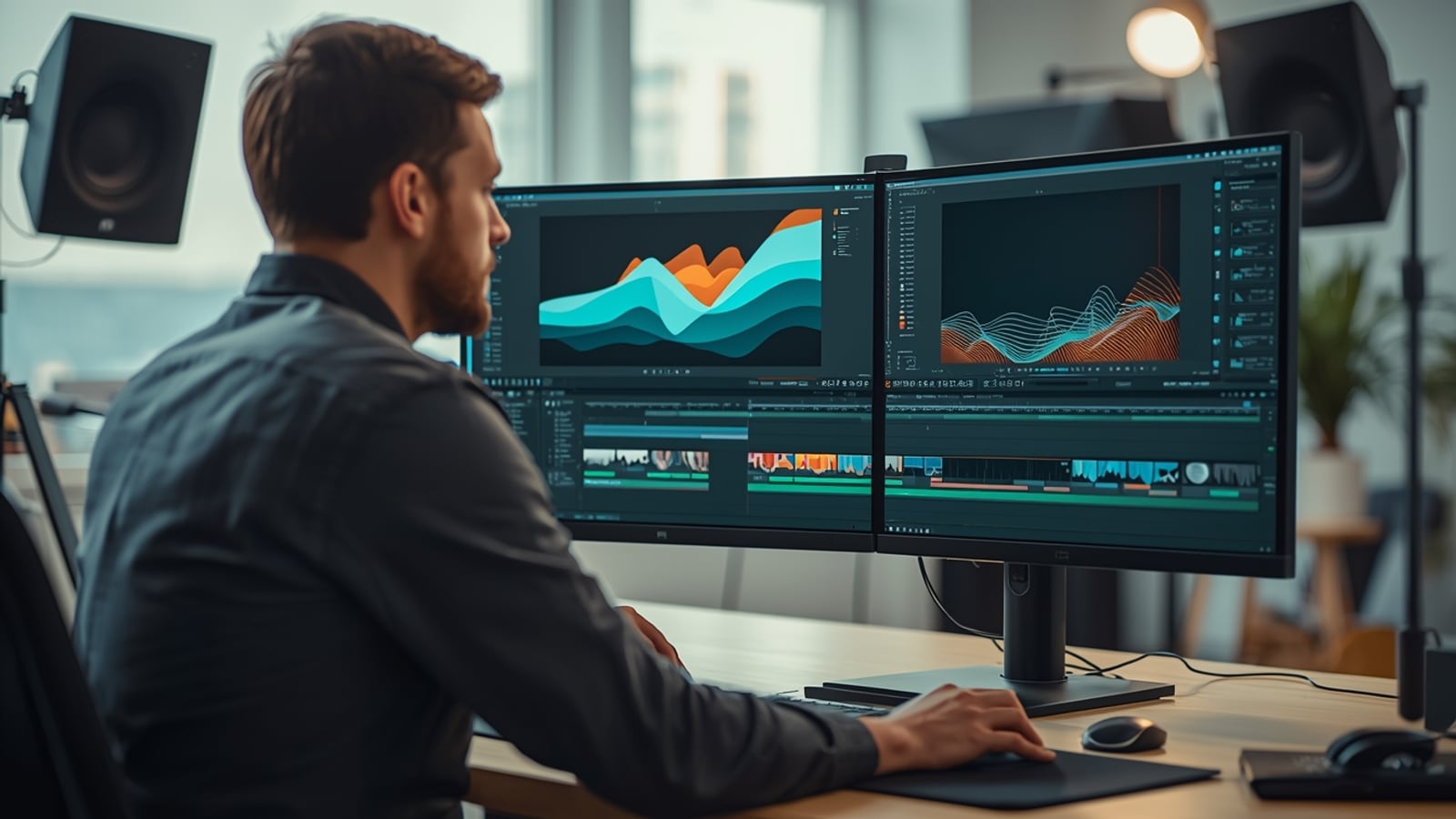
An art director working on multi-layered vector design and timelines in a professional studio.
The True Value of Storyboards and Pre-Production
Many project owners assume the budget starts ticking the moment the animation software opens. However, the most critical factor influencing motion design costs is pre-production. Without a solid concept, a sharp script, and a precise storyboard, every second rendered on screen is time and money wasted.
The pre-production phase generally covers these foundational building blocks:
- Concept Development and Moodboards: Defining color palettes, typographic pairings, and visual references aligned with the brand's identity.
- Scriptwriting and Voiceover: Recording professional voice talent to set the video's pacing and securing properly licensed audio tracks.
- Storyboard and Animatic: Translating frame-by-frame sketches into a timed timeline to establish a rough visual preview of the pacing.
The cleaner and more detailed these phases are, the smoother and more budget-friendly the animation stage becomes. Skipping these steps to dive straight into animation usually leads to massive structural rewrites when a concept pivot happens—the single biggest budget killer in our industry.

A designer's hands fine-tuning character animation curves using a graphics tablet and dual screens.
Revision Limits and Scope Management
One of the most frequently overlooked details in animation proposals is revision scoping. Design is subjective, and bridging the gap between a client's mental image and the final screen output requires structured collaboration. However, open-ended or unlimited revisions inflate timelines, drain designer morale, and throw budgets off track.
A professional video production proposal should clearly define revision boundaries in the contract. A standard, healthy framework includes two rounds during the storyboard phase, two during the rough animatic stage, and final polish/color adjustments during final render delivery. Setting these boundaries upfront protects both the agency and the brand. You can explore how structured project scopes come together in complex case studies like my Petkit Campaign Work.
Delivery Formats and Usage Rights
Finishing the animation marks the completion of the technical execution, but where the video lives and what formats are required will also influence the budget. Producing a single horizontal YouTube master export is very different from delivering vertical formats for Instagram Reels, TikTok, LinkedIn, and high-res outdoor LED screens.
Copyright and commercial usage rights further shape the pricing structure. Whether a video runs exclusively on digital channels or requires national television broadcast licensing directly impacts the fees for licensed fonts, music tracks, and talent buyouts. Whenever you are ready to kick off your next project, feel free to share your scope through the contact form and let's build a tailored production plan together.